HLP & Evictions
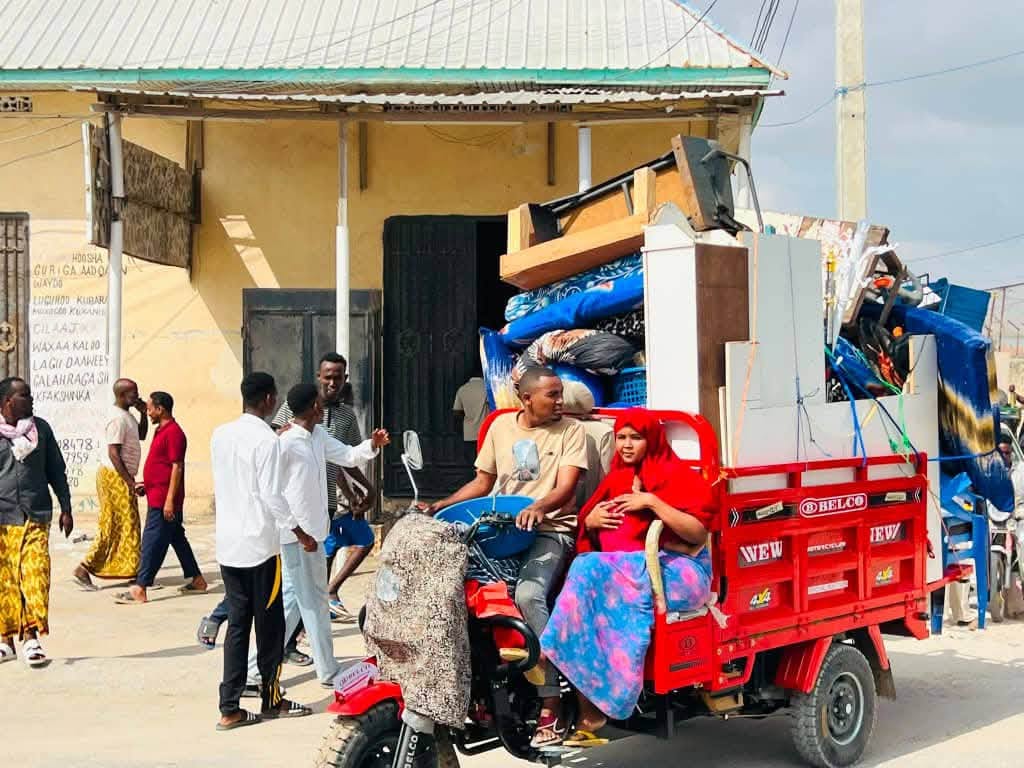
At least, three citizens were reportedly confirmed dead in Warlaalis area during forced evictions in Mogadishu’s Daynile district, Mogadisho. While this is not the first time the government has engaged in forceful evictions, it now appears escalated, intensifying opposition accusations against President Hassan Sheikh Mohamud’s administration over alleged land grabbing and the enrichment of politically connected business interests. However, the incident exposes wider concerns about public land transactions, the use of security forces, institutional accountability and the continued vulnerability of displaced communities amid Somalia’s growing political tensions
By The Somali Monitor

AID & DISPLACEMENT
As Somalia’s government reclaims valuable public properties, thousands of residents face eviction amid allegations of irregular land transfers. The controversy raises questions about who benefits from Mogadishu’s redevelopment and whether public institutions can account for the assets recovered in the name of the state
By The Somali Monitor
Humanitarian Financing
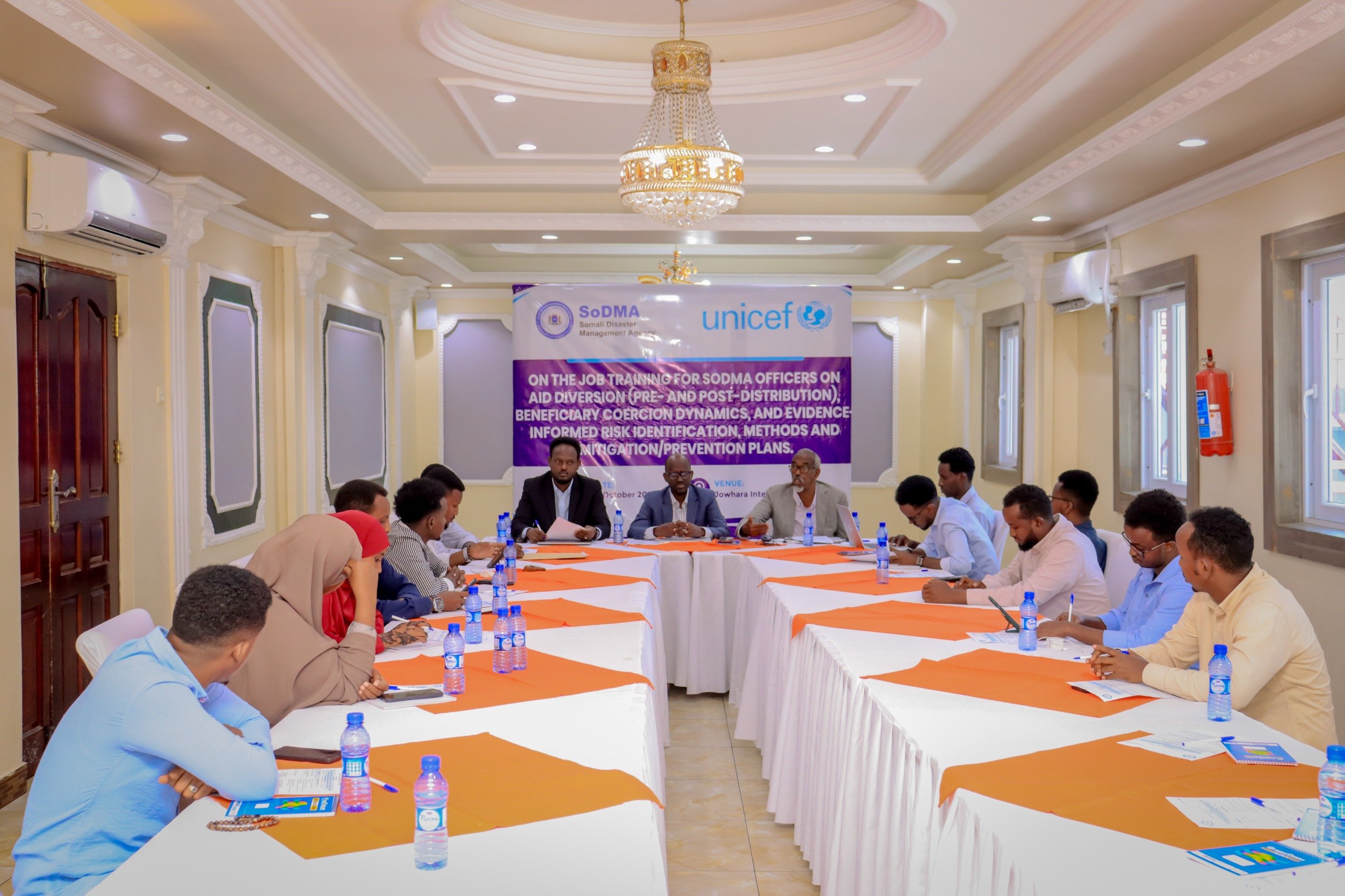
As Somalia confronts the threat of renewed El Niño-related flooding, widespread displacement and worsening humanitarian conditions, the management of emergency assistance demands closer attention. Against a complex political economy shaped by donor dependence, federal–state relations and competing institutional interests, the Somali Disaster Management Agency’s budget performance, aid distribution and parliamentary scrutiny raise important questions about how humanitarian resources are managed and translated into effective protection for disaster-affected communities.
By The Somali Monitor
Aid Governance
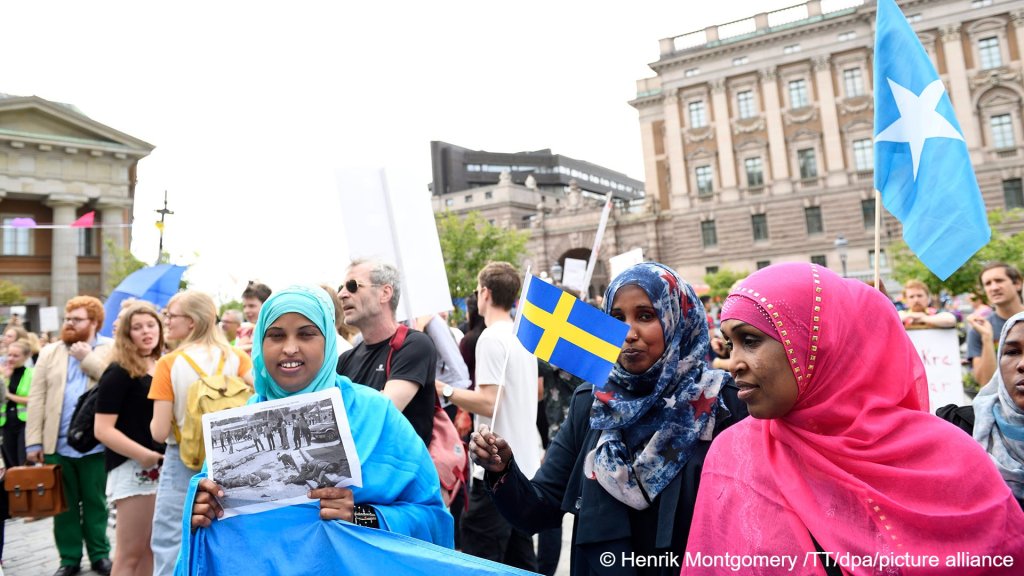
Sweden’s informal deportation-related arrangement with Somalia, acknowledged in Swedish parliamentary findings, raises serious questions about the growing intersection of migration enforcement, development assistance and government accountability. This reporting examines the SEK 100 million aid arrangement, the involvement of Somalia’s Office of the Prime Minister, and the wider role of European-funded migration and reintegration programmes. Drawing on Swedish parliamentary records and investigative reporting, it explores concerns over financial transparency, institutional accountability and the protection of Somali nationals facing forced returns, particularly amid Somalia’s continuing insecurity and the obligations of both governments under international human rights law.
By The Somali Monitor
Food Security & Assistance
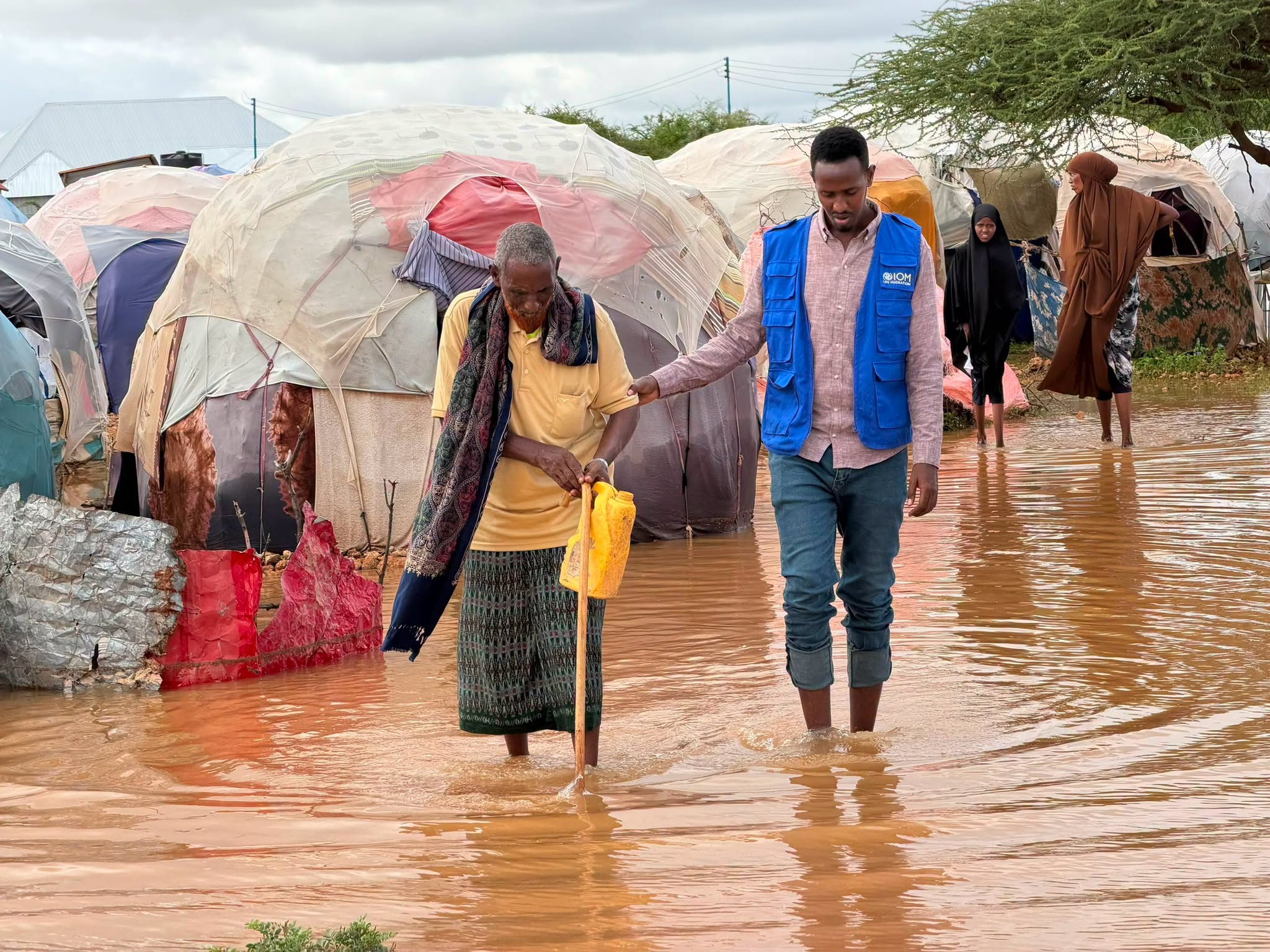
Somalia’s anticipated Deyr floods threaten further displacement and worsening humanitarian needs, exposing the persistent gap between early warnings, adequate preparedness and effective action to prevent recurring crises.
By The Somali Monitor

AID & DISPLACEMENT
As Somalia’s Disaster Management agency (SoDMA) warns that up to 1.2 million people could face displacement, forecasts of severe flooding converge with worsening food insecurity, shrinking humanitarian assistance and longstanding weaknesses in disaster preparedness. The emerging crisis raises a critical question: can Somalia act on early warnings before another predictable climatic shock becomes a prolonged humanitarian emergency?
By The Somali Monitor
Food Security & Assistance
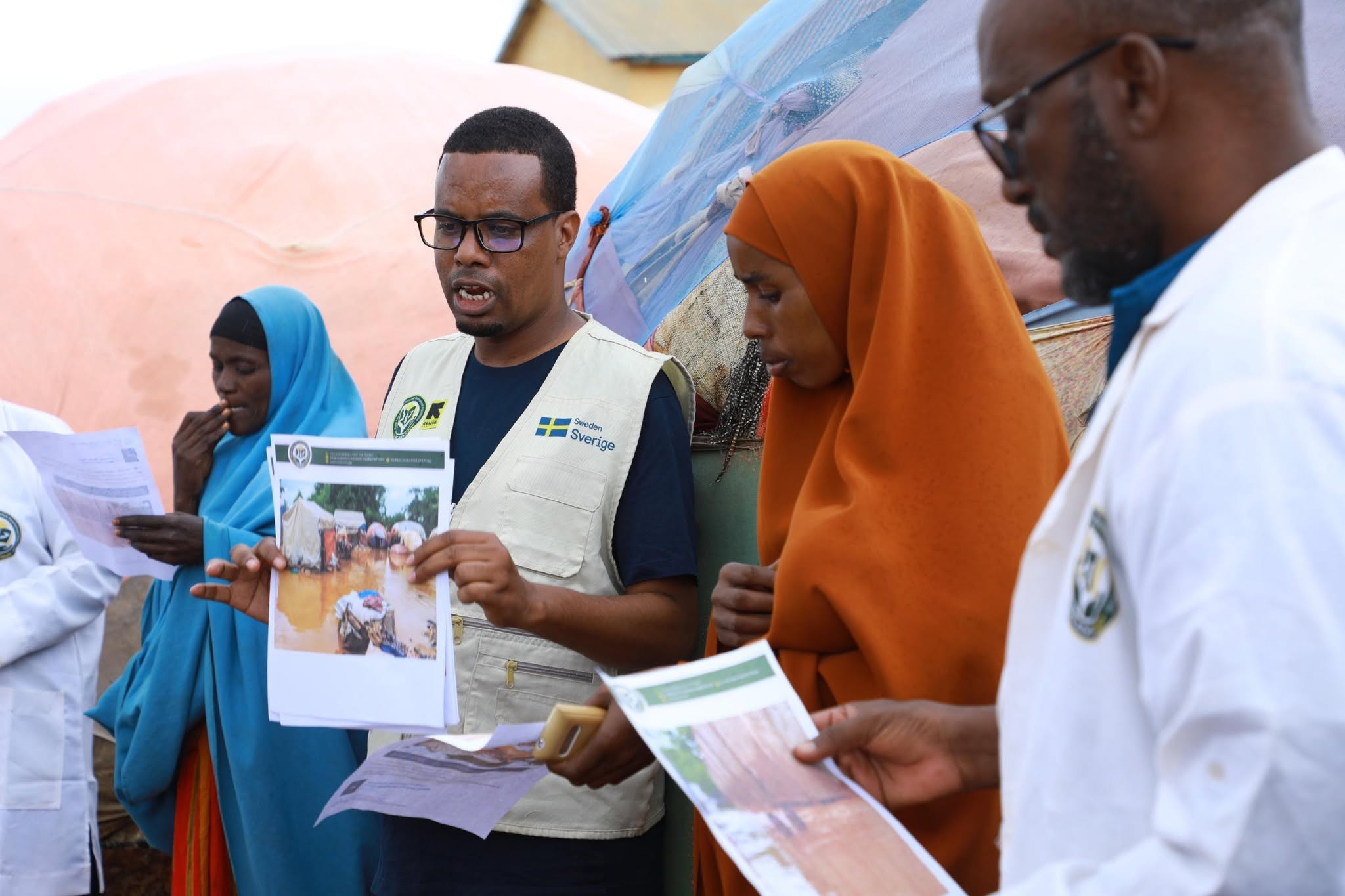
Baidoa faces a deepening humanitarian crises as renewed armed conflict, repeated displacement, acute malnutrition and restricted humanitarian access threaten hundreds of thousands of vulnerable people. With El Niño-related flooding expected between October and December, this could trigger further displacement and worsen food insecurity in Baidoa. Ongoing conflict, funding shortages and restricted access to essential services threaten to deepen the humanitarian crisis.
By The Somali Monitor

AID & DISPLACEMENT
Statement by the Humanitarian Coordinator for Somalia, Mr. George Conway, on
escalating violence in Baidoa
By The Somali Monitor
AID & DISPLACEMENT
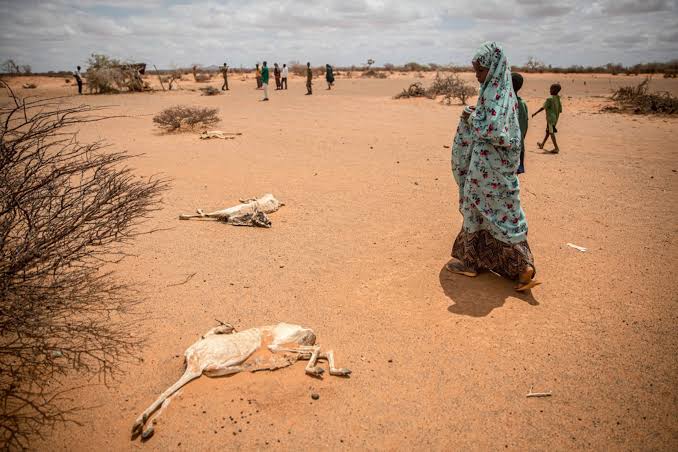
A fourth consecutive failed rainy season has pushed millions of Somalis into crisis-level hunger, even as the international humanitarian response remains funded at a fraction of what's needed.
By The Somali Monitor