Analysis — Current Affairs
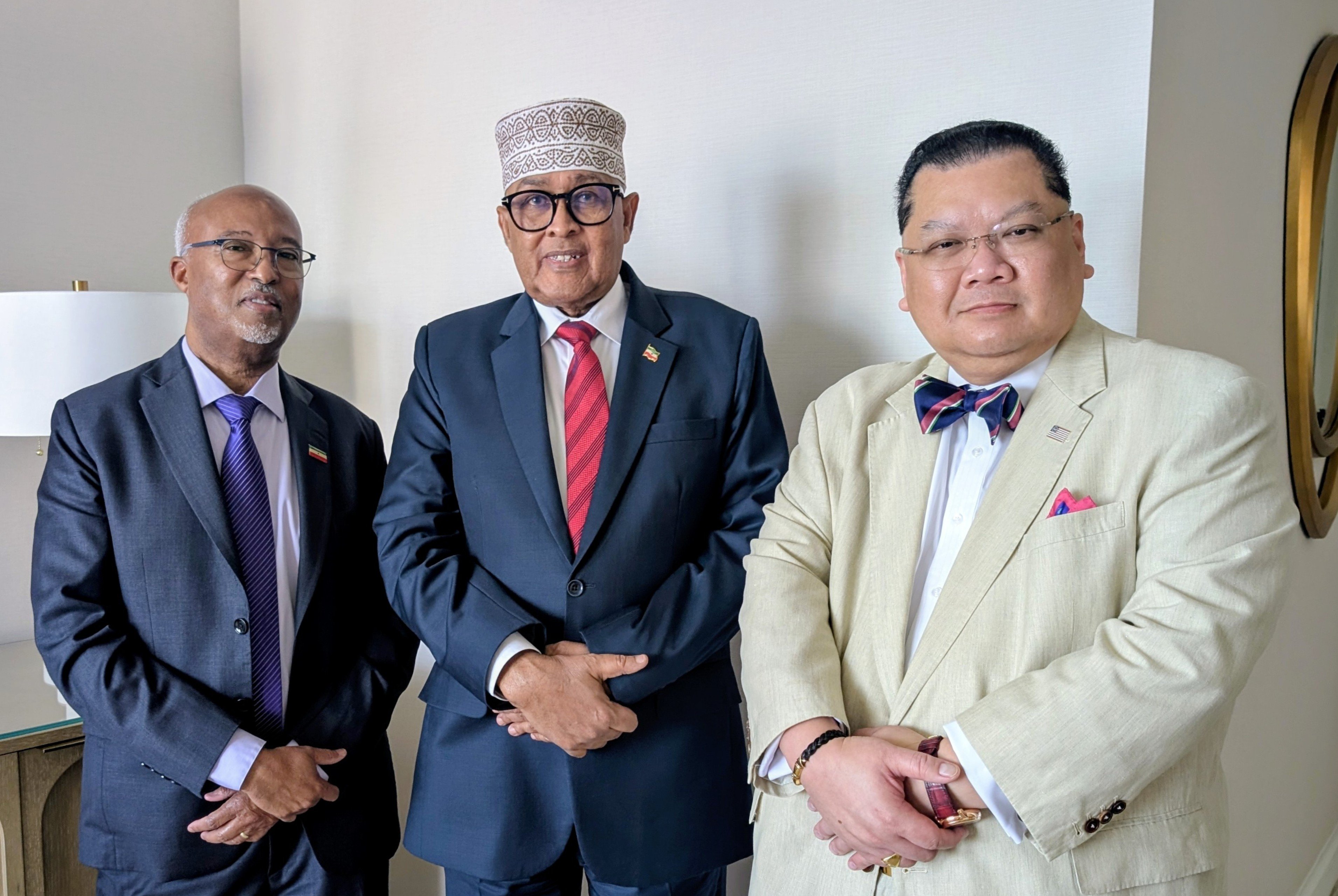
Growing congressional support, organized lobbying and strategic interests in the Red Sea have strengthened Somaliland's recognition campaign, but African opposition, territorial disputes and competing U.S. security interests continue to complicate its diplomatic ambitions.
By The Somali Monitor

Analysis — Current Affairs
The comparison between Farmaajo and Hassan Sheikh highlights contrasting approaches to leadership, state-building and political compromise. Farmaajo's presidency was marked by institutional reforms, efforts to restore national sovereignty and, despite political controversies, an eventual willingness to negotiate and facilitate a peaceful transfer of power. Hassan Sheikh's pursuit of constitutional changes, party expansion and greater presidential authority has generated disputes over federal power-sharing and political inclusion. The analysis examines why compromise, rather than the consolidation of power, remains essential to protecting Somalia's hard-won institutional gains and the future of its Third Republic.
By The Somali Monitor

Analysis — Current Affairs
Jubbaland’s return to Beled Hawo following its reconciliation with Abdirashid Janan marks a significant shift in Gedo’s political and security balance, weakening the Federal Government’s previous influence. However, reported disagreements between President Ahmed Madobe and Vice President Mohamud Sayid Aden over Janan’s reintegration and political appointments suggest emerging divisions within Jubbaland’s leadership. The development highlights how shifting alliances can strengthen territorial control while creating new tensions over power-sharing and political authority.
By The Somali Monitor
Analysis — Current Affairs
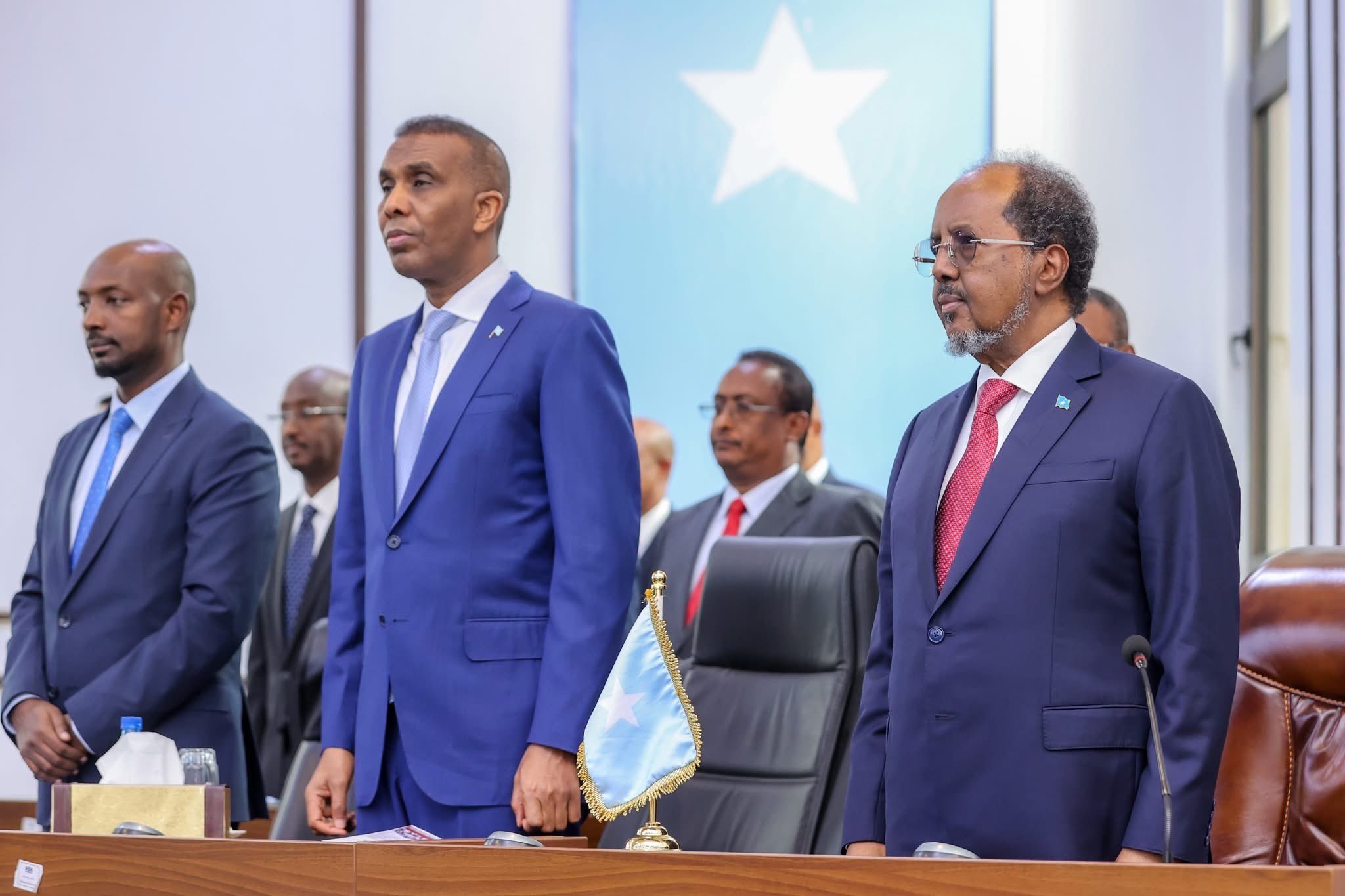
Prime Minister Hamza Abdi Barre’s political alliance with President Hassan Sheikh Mohamud has brought unusual stability to Somalia’s two highest executive offices, facilitating greater political coordination and continuity in constitutional and electoral reforms, economic recovery, security operations, public administration and broader state-building efforts.
Yet, amid deepening constitutional disputes and federal-state tensions, questions surrounding the Prime Minister’s political independence raise a fundamental concern: whether their partnership is strengthening Somalia’s institutions or primarily consolidating presidential authority.
By The Somali Monitor

Analysis — Current Affairs
Somalia’s 14 October constitutional deadline tests whether President Hassan Sheikh Mohamud will enforce provisions limiting executive power as consistently as those extending his mandate. The deeper question is whether the new constitution will genuinely constrain political authority or remain subject to selective implementation.
By The Somali Monitor

Analysis — Current Affairs
As shifting geopolitics in the Horn of Africa and the Red Sea redraw regional alliances, Somalia is cautiously moving from reactive diplomacy toward strategic autonomy, balancing competing partnerships with Egypt, Ethiopia, Türkiye, and the Gulf while navigating persistent domestic fragmentation and institutional challenges.
By The Somali Monitor

Analysis — Current Affairs
At the center of Somaliland’s recognition dilemma lies what may be described as a sovereignty gap: the distance between exercising many of the functions associated with sovereign statehood and possessing internationally accepted sovereign status. Somaliland’s argument has long rested on the proposition that more than three decades of separate administration, political institutions and effective control have created a political reality that recognition should acknowledge rather than create. Yet the persistence of non-recognition demonstrates that effective statehood and recognized sovereignty are not necessarily the same thing.
By The Somali Monitor