
The Somali Monitor
The Childhood That Shapes Us: How Somali Society Influences Who We Become
Badria is an independent Somali writer and creator of The Unwritten Pages, a platform dedicated to reflective storytelling and exploring the complexities of identity, culture, childhood and personal growth. Through thoughtful essays and personal narratives, she examines how individual experiences intersect with societal expectations, offering fresh perspectives on everyday life, human connections and the evolving experiences of Somali communities.
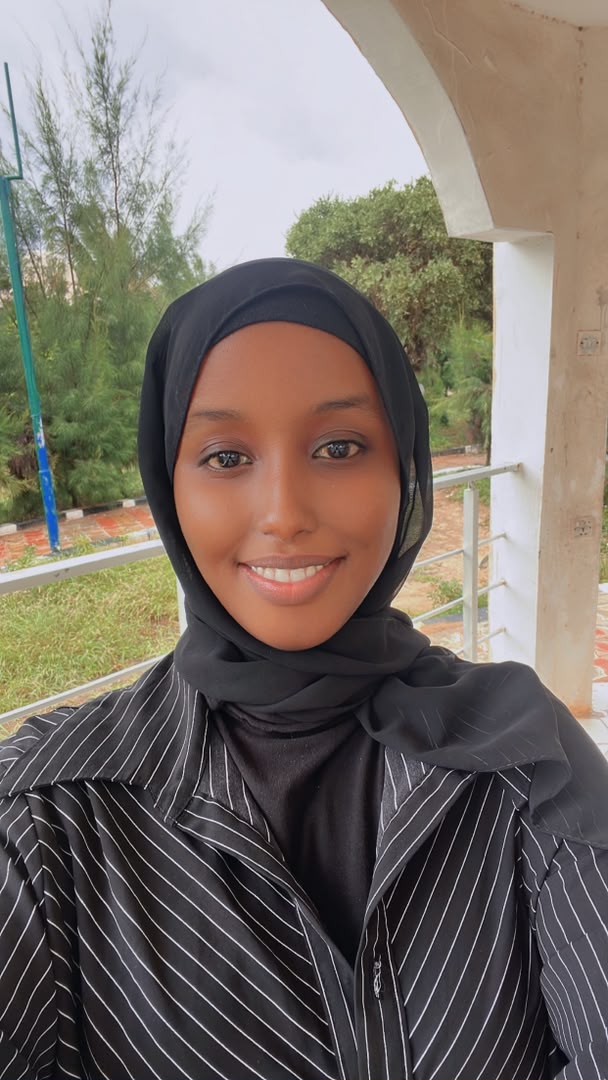
Badria, 2026
Our identities begin taking shape long before we understand the world around us. Family, culture, community and childhood experiences influence not only the people we become, but also the way we understand freedom, responsibility, belonging and ourselves.
Childhood is often remembered as a collection of simple things: the sound of familiar voices, afternoons spent with friends, family gatherings, stories told by elders and the ordinary routines that once seemed unimportant.
But childhood is more than a period of growing up. It is where many of our earliest ideas about ourselves and the world are formed.
In Somali society, a child's upbringing is rarely shaped by parents alone. Grandparents, relatives, neighbours, religious teachings and the wider community often contribute to the lessons children receive. This creates a strong sense of belonging, cultural identity and responsibility.
However, it also means that social expectations can become part of a child's understanding of who they are supposed to be.
And sometimes, the expectations surrounding a child become so influential that there is little room left for discovering who that child actually wants to become.
Growing Up Within a Community
One of the defining characteristics of many Somali communities is the importance of collective life.
Children grow up surrounded by extended families and familiar social networks. They learn the importance of respecting elders, maintaining family relationships, helping others and understanding their place within a wider community.
These experiences can provide children with a valuable sense of security and belonging. They grow up knowing that their lives are connected to something larger than themselves.
Language also plays an important role. Through Somali expressions, traditional stories, poetry and everyday conversations, children inherit a cultural history that connects them to previous generations.
Even Somalis growing up outside Somalia may maintain these connections through family traditions, language and cultural practices.
In this way, identity becomes something passed between generations, not simply something an individual discovers independently.
The Expectations We Learn Early
Alongside these positive influences, children also encounter expectations about behaviour, responsibility and their future roles in society.
From an early age, some children are taught to be particularly conscious of how their actions reflect on their families. They may learn to prioritise respectability, avoid disappointing relatives and follow established ideas about success and responsibility.
For girls and boys, these expectations can sometimes differ.
In some households, girls are encouraged to become responsible, patient and helpful from a young age, while boys may experience different expectations surrounding independence, provision and leadership.
These patterns are not universal, and Somali families are not all the same. Nevertheless, social expectations can influence the opportunities children imagine for themselves and the choices they eventually make.
A child who repeatedly hears what they should become may spend less time discovering what genuinely interests them.
When expressing a different opinion is consistently discouraged, children may eventually learn to remain silent even when they have something important to say.
When their decisions are always made for them, they may grow up uncertain about their own judgment.
And when their feelings are dismissed, they may struggle to recognise that their emotions deserve attention.
This raises an important question: how much of our adult identity comes from our own decisions, and how much comes from the expectations we absorbed while growing up?
When a Child Learns to Suppress Themselves
Not every difficult childhood is defined by a lack of love. Some children grow up in families where their basic needs are provided for, where relatives care about their future and where family relationships remain important.
Yet emotional experiences can be more complicated than appearances suggest.
A child can be loved and still feel unheard. They can belong to a family and still feel that their individuality has little space. They can be surrounded by people and still struggle to find someone with whom they can speak openly.
In households where obedience is valued more than communication, children may learn that keeping their thoughts to themselves is easier than expressing disagreement.
Over time, they may become adults who are accustomed to asking for permission, explaining ordinary decisions or feeling uncomfortable when their preferences differ from those of their families.
Some may become particularly sensitive to criticism. Others may find it difficult to establish boundaries or recognise where their responsibilities end and another person's expectations begin.
These responses do not define everyone who experiences a restrictive upbringing, but they are worth understanding.
The ability to express oneself is not simply a personality trait. It is also something that develops through experience, encouragement and the freedom to practise making decisions.
Discovering Freedom in Adulthood
For someone who has spent much of their childhood and early adulthood following decisions made by others, independence can be an unfamiliar experience.
Imagine finally having the opportunity to choose where to live, what to study, how to spend personal time or what kind of future to pursue.
These decisions may appear ordinary to someone who has always enjoyed that freedom.
But for a person who has rarely been allowed to make independent choices, even small decisions can carry unexpected emotional weight.
Freedom can bring excitement, but it can also bring uncertainty.
There may be guilt about choosing personal ambitions over family expectations. There may be fear of making mistakes without someone else's approval. Even when a decision is reasonable, the individual may feel the need to defend it.
Sometimes, the greatest challenge is not leaving a familiar environment. It is learning to trust oneself after years of being told what to do.
Independence requires more than having a separate home or earning an income. It also involves developing confidence in one's judgment, understanding personal needs and accepting that making different choices does not automatically mean rejecting one's family or culture.
The Feeling of Being Emotionally Overlooked
There is another experience that deserves attention: the feeling of being emotionally unattended.
People who grow up without enough opportunities to express their feelings may enter adulthood unsure of how to respond when someone finally offers them attention, understanding or support.
They may have spent years being responsible, helpful and available to others, without developing the habit of asking for the same consideration in return.
As adults, they might struggle to communicate their needs. They may feel uncomfortable receiving help, find it difficult to explain their disappointment or question whether their feelings are important enough to be discussed.
Some may become so accustomed to being needed that they struggle to understand who they are when nobody needs anything from them.
Others may find themselves searching for the reassurance and recognition they rarely experienced while growing up.
This can create complicated relationships with family, friendships and even independence itself.
A person may want distance from an environment that feels restrictive while simultaneously missing the familiarity of the people and routines they have always known.
They may want to make their own decisions but still feel guilty when those decisions disappoint someone.
These feelings can exist together. Wanting independence does not necessarily mean someone has stopped loving their family.
It may simply mean they are trying to understand themselves outside the roles they have always occupied.
Between Cultural Values and Individual Identity
There is sometimes a mistaken assumption that preserving culture requires maintaining every expectation associated with previous generations.
But culture is not a fixed collection of rules. It is also a living inheritance that develops as societies change.
Respect for elders, family connections, hospitality, faith and community responsibility can remain meaningful values while allowing individuals to make different choices about education, careers, relationships and personal ambitions.
A young Somali woman can value her family and still pursue an independent career. A young man can respect cultural traditions while questioning expectations that do not reflect his circumstances. Someone living abroad can maintain a strong Somali identity while developing new perspectives through different experiences.
These identities do not have to compete.
The challenge is finding room for individual growth without treating cultural belonging as something that must be abandoned.
A Changing Generation
Somali society has experienced significant changes through migration, education, technology and the growing connections between communities across the world.
Today, many young Somalis encounter different ideas about work, family, identity and personal freedom through education, social media and international experiences.
This does not mean that younger generations necessarily reject their cultural backgrounds. Rather, many are finding new ways to understand and express them.
Some want to preserve traditional family structures, while others hope to adapt certain expectations to contemporary realities.
These conversations are important because every generation inherits a world shaped by the previous one, but also has the opportunity to contribute something new.
Perhaps one of the most meaningful changes would be creating family environments where children can disagree respectfully, communicate their feelings and develop their own interests without being made to feel that individuality is disloyalty.
Giving Children Room to Become Themselves
Perhaps one of the most valuable things a society can offer its children is the freedom to develop an identity without feeling that belonging depends entirely on meeting expectations.
Children need guidance, boundaries and a sense of responsibility. They also need opportunities to ask questions, express interests, make age-appropriate choices and discover their abilities.
And adults who are still learning to make independent decisions deserve patience too. They are not necessarily ungrateful, rebellious or confused simply because they are trying to establish an identity outside the expectations they grew up with.
A strong cultural identity should give children roots, not prevent them from growing.
The stories, language, values and relationships passed down through Somali families are worth preserving. At the same time, it is worth considering which expectations genuinely help children develop and which ones may limit their ability to discover their potential.
Ultimately, childhood does not simply prepare us for adulthood. It gives us many of the ideas, values and assumptions we carry into it.
Perhaps the question we should ask ourselves is not only what kind of children we are raising, but also what kind of adults they will become when they finally have the freedom to choose their own lives.
Will they know how to make decisions without feeling guilty? Will they understand that their feelings deserve to be heard? Will they know that they can love their families without losing themselves?
These are questions worth considering, not only for the younger generation, but for everyone who has ever had to rediscover their identity after growing up.
Badria
Independent Writer | Creator of The Unwritten Pages